Monitored alarm systems in Ireland, explained for business premises
Monitoring is what turns a noise into a response: your signal monitored around the clock at a staffed alarm receiving centre, a record of every activation, and a route to An Garda Síochána. Written for the person responsible for a business premises, this sets out what you are buying, what has to be in place for it to work, and how to specify it. Commercial premises are held to a higher standard than homes, and that is where we start.
Two tools, free to use
The short answer
How a monitored alarm system works in Ireland
Your alarm reports to an alarm receiving centre that is staffed around the clock. When an activation arrives, the operator establishes whether it is verified, meaning confirmed by a second detector activating in sequence, or by camera or audio. A verified activation goes to your keyholder and, where the criteria are met, to An Garda Síochána. Every event is logged against your premises reference number.
Three things make that chain complete: detection that can verify itself, a monitoring centre licensed to receive the signal, and a keyholder who will actually attend. Specify all three and monitoring does exactly what people expect it to do. Most disappointment with monitored alarms comes from buying one of the three and assuming the rest.
Two halves of one job
Monitoring and response are not the same purchase
A monthly fee buys you monitoring at an alarm receiving centre. Response, meaning somebody actually arriving at the door, depends on the activation being verified and a keyholder attending. Both halves are arrangeable. They are simply not always sold together.
What monitoring gives you
A licensed centre receives the signal within seconds, day or night, works your escalation list, and logs every activation against the premises. That record is what any later response depends on.
What completes it
Verification, so an activation qualifies for Garda response, and a named keyholder contracted to attend. We provide both halves, which is why our alarm systems and our keyholding are quoted together.
Step by step
What happens in the first few minutes
01 / 05
The panel signals
Verification
Business premises
Keyholder attends
The outcome is recorded
01
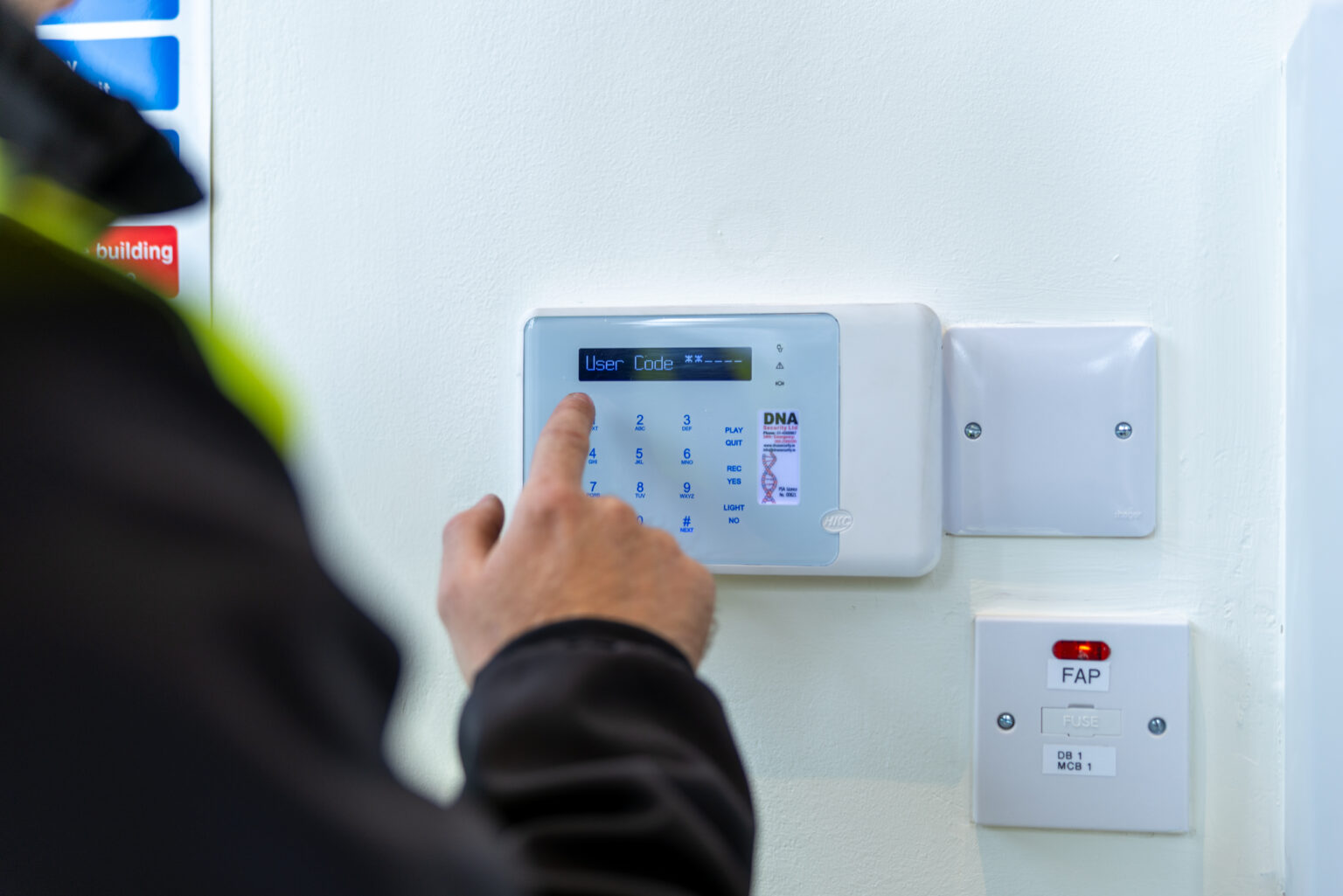
The panel signals the monitoring centre
Your system transmits over its primary path, with a backup path where one is fitted. Under the Garda policy the centre it reports to must be certified to Irish Standard I.S. 228, and any centre monitoring signals originating in the Republic must hold a PSA licence, including centres based outside Ireland. This is the first thing worth asking any provider, and it takes one question.
02
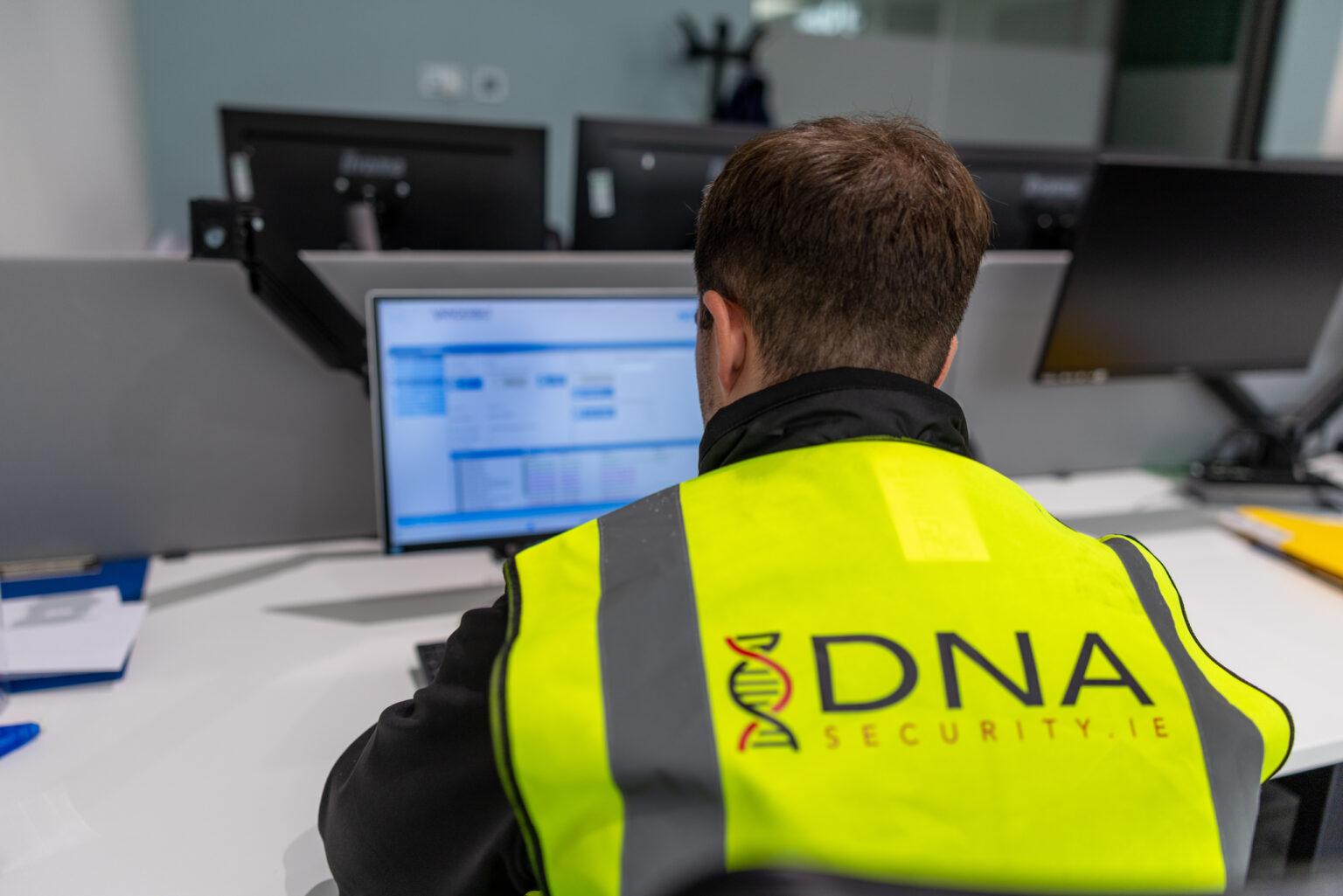
The operator establishes whether it is verified
A verified alarm is one confirmed by the activation of a secondary detection device, known as sequential verification, or by visual or audible inspection including a remote camera or microphone. A single detector tripping on its own does not meet that test. Which route suits a property depends on its layout and how it is used, and both are ordinary to fit.
03
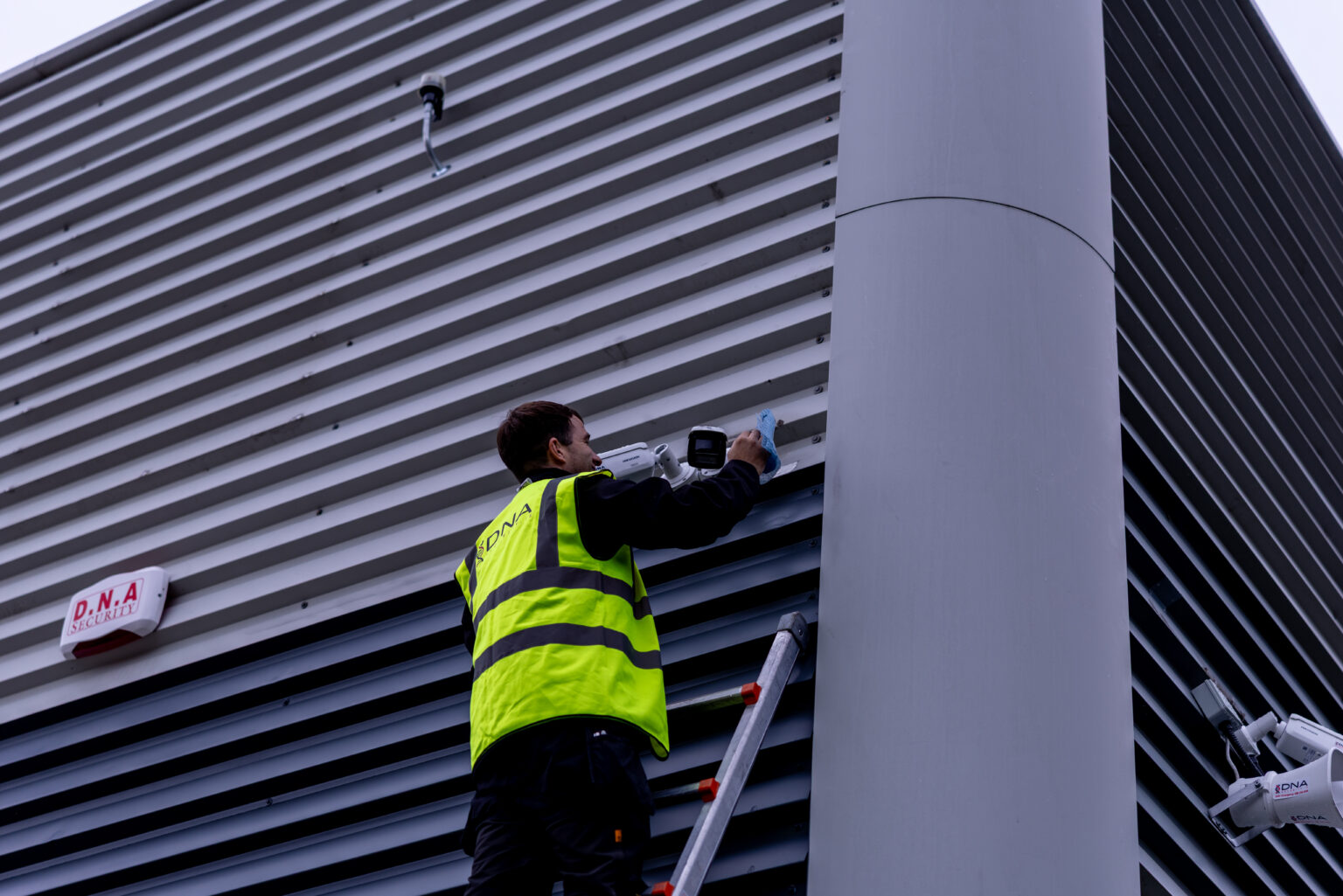
Business premises are held to the higher standard
Commercial alarms have been required to have verification technology since 31 January 2008, and a non verified commercial alarm does not receive a response. Domestic systems were given longer, but once a false activation is received from a non verified domestic system, response is withdrawn until verification is installed. For a business, verification is not an upgrade to consider. It is the baseline.
04
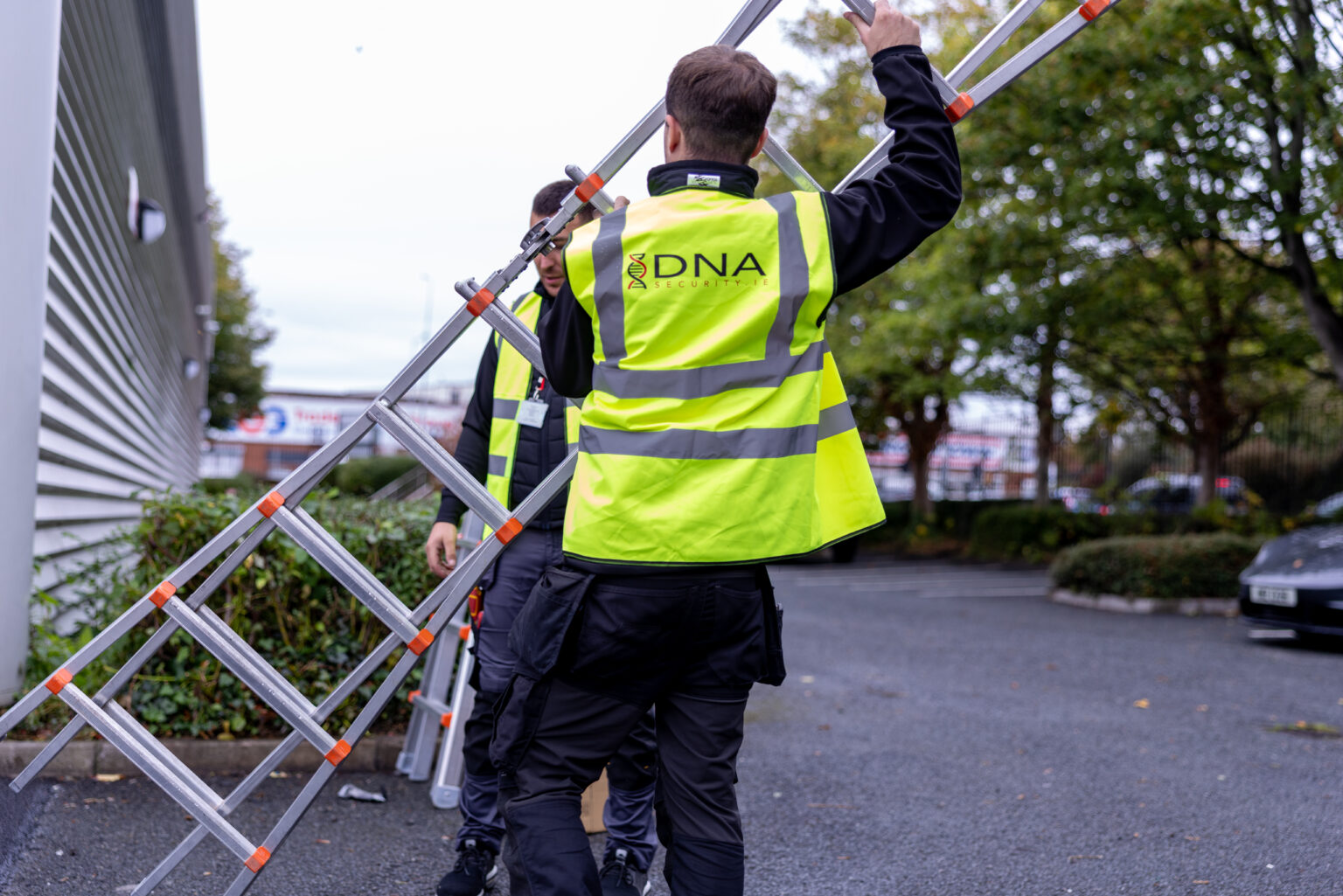
Your keyholder attends
The policy requires that a keyholder is informed and attends in the shortest time possible, because Gardaí cannot fully police an activation until they are admitted to the building. Failure of a keyholder to attend following a verified alarm results in the activation being recorded as a false alarm. This is the half most often left unarranged, and it is entirely solvable: where there is no one to send, we hold the keys and attend on your behalf.
05
The outcome goes on your record
Every monitored premises has a Unique Reference Number, and each event is logged against it as genuine or false. That record is what a future response depends on, which is why a provider who tells you about the first false call is worth considerably more than one who does not.
Tool one
Would your alarm actually get a Garda response?
Five questions, scored against the conditions in the Garda policy. Nothing is sent anywhere and nothing is stored. The check runs in your browser.
A bells only alarm makes noise and nothing else. A self monitored system sends the alert to your phone, which is useful when you are awake and available and worth nothing when you are not. Professional monitoring is the only one of the three that creates a record and a route to escalation.
Bells only
Self monitored
Professionally monitored
Who is told
Whoever is within earshot
Your phone, if you see it
A staffed centre, within seconds
Out of hours cover
None
Only if you are awake and available
Continuous, including holidays
Garda escalation
Not possible
Not available. Response runs through a licensed centre
Possible where the activation is verified
Audit trail
None
App history, held by the manufacturer
Every event logged against your URN
Who attends
You
You
Your keyholder, or a contracted keyholding service
Ongoing cost
None
None, or a manufacturer subscription
A monitoring fee
For business premises
What changes when the premises is a business
Business premises carry the verification requirement from the first day, and the practical problems are different from a house: larger footprints, more people setting and unsetting the system, and nobody living on site to answer at three in the morning. What follows is what we specify differently by premises type.
Construction sites
No fixed occupier, changing layout and high value plant. Specify detection that can be redeployed as the site changes, a communications path that does not depend on a permanent line, and camera verification, because there is rarely anyone on site to confirm an activation.
Schools and colleges
Large footprint, multiple buildings, empty most of the time the risk is highest. Specify zoning by block so one activation does not blanket the whole site, and be honest about who attends at night. A caretaker on call is a plan; a caretaker who lives forty minutes away is not, and where that is the honest answer we hold the keys and attend instead.
Retail units
The main false call source is people, not intruders: staff setting and unsetting under time pressure. Specify individual user codes so the log tells you who, straightforward setting procedure, and verification that separates a genuine event from a stockroom door left open.
Warehousing and distribution
Large volumes, roof lights, dock doors and long sightlines. Detection has to cover the ways in that are not the front door, and camera verification tends to earn its place quickly because walking a large building to confirm an activation is slow.
Offices
Occupied in daylight and empty after it, with cleaning and maintenance contractors the most common cause of out of hours activations. Specify who holds codes, when their access is valid, and a monitoring escalation list that reaches a real person rather than a switchboard.
Vacant and void property
The highest risk and the hardest to cover: no power, no occupier, nobody to notice. Specify a self powered, monitored solution with camera verification, and contracted keyholding, because a void building with no named attendee generates false calls until response is withdrawn. Keyholding on a void building is normally ours rather than yours, and that is the straightforward way to cover it.
Tool two
Build a specification you can send to any provider
Answer three questions and this writes a plain English specification for your premises: what to ask for, and what to get in writing. Copy it or download it and send it out for quotes. It is not tied to us, and it names no products.
The five things a monitored alarm quote should price separately
Quotes are hard to compare because providers bundle different things into one figure. There are five separate costs in a monitored system, and a quote that leaves any of them unstated is not a quote you can compare against another one.
The system and its installation
Panel, detectors, the verification method and the labour to fit it. This is the only part most quotes state clearly.
Monitoring
The alarm receiving centre that monitors your signal. Ask what the term is, what the notice period is, and whether the fee changes after year one.
Maintenance
The policy expects a system to be installed, maintained and used in line with the standard. Ask how many visits a year are included and what happens if a fault is found between them.
Keyholding and alarm response
Only relevant if you are not attending yourself. If nobody in your organisation will reliably attend at night, this is not optional, but it is not a problem either, because we provide it. What matters is that it appears on the quote rather than in a conversation later.
Callouts outside the contract
What triggers a chargeable visit, and what it costs. This is the line that produces surprises, and it is the easiest one to get in writing before you sign.
We do not publish figures on this page, because a monitored alarm price that ignores the size, layout and use of the premises is marketing rather than a quotation. What we will do is price all five lines for your premises, separately and in writing, so you can see exactly what each part costs before you commit to any of it.
Keeping the record clean
How the false call record works
Every monitored premises accumulates a record, and the policy sets a limit on it. If false calls reach three in any rolling three month period, notice is sent to the monitoring centre saying Garda response will be withdrawn in seven days. It is worth knowing where you stand before you get there, which is the whole reason we report the first one.
01
Logged. This is the one to act on, and the one most people never hear about.
02
Logged. The clock is running on a rolling three month window.
03
Notice issued to the monitoring centre. Response withdrawn in seven days.
Restoration is possible but it is not automatic. It normally requires at least three months clear of false calls and a formal application, and where verification technology was not in use, installing a verified system is what allows response to be reinstated.
In practice most false calls come from a small number of causes: a detector sited where it sees movement it should not, staff unsetting incorrectly, or a system that has drifted out of maintenance. All three are fixable, and all three are why the maintenance line on a quote is worth more attention than it usually gets.
Before you sign
Eight questions worth asking any provider
Is the monitoring centre PSA licensed?
Any centre monitoring alarms originating in the Republic of Ireland must hold a PSA licence, including centres located outside the State.
Is it certified to I.S. 228?
The Garda policy requires the centre your system reports to to be certified to that Irish Standard.
Is the system installed to EN 50131-1?
New alarms are required to be installed, maintained and used in line with the European standard and the conditions of the policy.
Is verification actually fitted?
Not simply monitored. Ask which detectors are paired sequentially, and whether audio or camera confirmation exists.
Who is the keyholder, realistically?
A name, a distance and an honest attendance time at three in the morning. If the answer is nobody, that is what professional keyholding is for, and it is a service we provide alongside the alarm.
Who tells you about false calls?
You want to hear about the first one, not discover your position after the third.
What does maintenance actually include?
How many visits a year, what is checked, and what happens to a fault found between visits. Ask before it matters.
Can the system be zoned to how the building is used?
On a larger premises this is the difference between a useful alarm and one people switch off because it gets in the way.
Common questions
Monitored alarms, answered
Do the Gardaí come out to every alarm activation?
No. Since 31 January 2008 An Garda Síochána responds to verified activations only. A verified alarm is confirmed either by a second detection device activating in sequence, or by visual or audible inspection such as a remote camera or microphone. An unconfirmed single detector activation does not qualify.
What counts as a verified alarm?
One of two things. Either a secondary detection device activates, which is called sequential verification, or the activation is confirmed by visual or audible inspection, including remote camera or microphone. Both routes are accepted, and which suits a property depends on its layout and how it is used.
How much does a monitored alarm system cost in Ireland?
It depends on the size and layout of the premises, and on how it is used, so any single figure quoted without seeing it is marketing rather than a price. What you can insist on is a quote that prices five things separately: the system and its installation, the monitoring fee, maintenance, keyholding and alarm response if you need it, and callout charges outside the contract. Two quotes are only comparable when all five are stated.
Is a self monitored alarm as good as a professionally monitored one?
They do different jobs. A self monitored system sends an alert to your phone, which is useful when you are awake and able to act. It does not create the record a monitored premises accumulates, and it does not provide a route to Garda response, because that runs through an alarm receiving centre that is PSA licensed and certified to I.S. 228. For an empty business premises at night, the difference is the whole point of the system.
Does a business have to have a monitored alarm?
There is no general requirement to have an alarm at all. What the Garda policy sets is the condition for getting a response: commercial alarms have been required to have verification technology since 31 January 2008, and a non verified commercial alarm does not receive one. So the practical question for a business is not whether to monitor, but whether the system is verified and whether somebody will attend.
What happens if my keyholder cannot get there?
The activation is recorded as a false alarm. The Garda policy states that failure of a keyholder to attend following a verified alarm results in the event being logged that way, because Gardaí cannot fully police an activation until they are admitted to the building. Three such records in three months withdraws response.
What if nobody in the business can attend at night?
That is what professional keyholding is for. A contracted keyholding service holds the keys, attends on a verified activation, checks the premises and secures it, so the attendance condition is met by people whose job it is rather than by whoever answers the phone. We provide keyholding and alarm response alongside the systems we install, for commercial premises across Dublin and Ireland, and for homes where a domestic system needs the same cover.
Can Garda response be restored once it is withdrawn?
Yes, but not automatically. Restoration normally requires a period free of false calls of not less than three months, together with a formal application. Where verification technology was not previously in use, installing a verified alarm system is what allows response to be reinstated.
Are personal attack alarms treated differently?
Yes. An Garda Síochána will always respond to a personal attack alarm, meaning one deliberately activated by a person who fears criminal attack on themselves or their property. Using it in any other way is treated as misuse and is recorded as a false activation.
Does testing the alarm affect my record?
It can. Testing is required to terminate at the monitoring station and must not involve Garda participation. If a test is forwarded to An Garda Síochána for policing, the policy provides for withdrawal of Garda response, so testing procedure is worth confirming with your provider.
Where this leaves you
Buy the whole chain, not one link of it
A monitored alarm does what people expect of it when three things are true: the detection can verify an activation, the centre receiving the signal is licensed and certified to do so, and somebody attends. Each of those is ordinary to specify. The reason systems disappoint is almost never the equipment; it is that one of the three was assumed rather than bought.
We design and install intruder alarm systems for commercial premises and domestic systems where they are needed, and provide keyholding and alarm response for businesses and for homes, so the attendance half of the chain sits with people contracted to turn up rather than with a name on a list. Where visual verification is the right answer it is normally handled with CCTV integrated with the alarm rather than a separate system alongside it. If the premises is a business, cameras bring obligations of their own: our guide to commercial CCTV monitoring sets out the signage, retention and staff rules your business is responsible for.
We are DNA Security, PSA licensed under number 00821, and we have been designing, installing and maintaining security systems across Dublin and Ireland for more than twenty years.
What we offer
Everything available to you as a customer
We design, install, monitor and maintain all of it ourselves, for commercial premises and homes across Dublin and Ireland. One survey, one contract, one number to ring.
Camera systems designed to cover the ways in that matter, and to provide visual verification of an alarm activation where that is the right answer. For business · For homes
We hold your keys and attend on a verified activation, so the attendance half of the chain sits with people contracted to turn up. For business · For homes
Fire detection designed, installed and maintained to the standard the premises is held to, and monitored alongside the intruder system where you want one point of contact. For business · For homes
Connection to a PSA licensed alarm receiving centre, planned maintenance visits, and a report of every activation against your premises, including the first false call rather than the third.
Send us your premises and we will tell you what it needs
Bring the specification you built above, or the quotes you are comparing. We will review an existing system against the Garda policy, or specify a new one, and set out what it would take. No obligation.
Sources. An Garda Síochána, Policy on Monitored Intruder Alarms, including the Phase 2 summary and sections 1.5 to 1.13, 2.1, 2.2, 2.3 and 2.6. Standards named in that policy: I.S. 228 for alarm receiving centres and EN 50131-1 for intruder alarm systems. PSA licensing requirements per the Private Security Authority. The three tools on this page apply the conditions set out in that policy; the premises specifications reflect our own installation practice and are not a statement of law.

 The panel signals
 Verification
 Business premises
 Keyholder attends
 The outcome is recorded